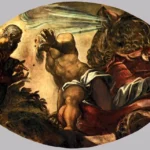
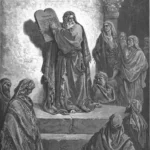
Picture a king alone in the temple, holding an enemy’s letter in his hands.
It is not a letter anyone would want to receive. The most powerful army on earth has already swallowed every nation around Judah. Its king, Sennacherib, has written to say that Jerusalem is next — and that Hezekiah’s God cannot save him. The messengers have shouted the same message in Hebrew from outside the city wall, so that every soldier and citizen could hear it and lose heart.
Hezekiah does something remarkable. He does not answer the letter himself. He does not call a war council first, or send a reply, or pretend the threat is not real. He takes the letter into the temple, spreads it out before the Lord, and prays.
Years later, the same king will face a different kind of threat — not an army at the gates, but sickness in his own body, and a prophet’s blunt message: get your house in order, because you are going to die. Hezekiah will turn his face to the wall and pray again. And God will answer again — this time with fifteen more years of life.
Hezekiah’s prayer is really two prayers, told in two places: 2 Kings 19 (and Isaiah 37) and Isaiah 38 (and 2 Kings 20). One is a prayer for deliverance from an enemy. The other is a prayer for healing. Together they teach us more about honest, bold prayer than almost any other passage in the Bible. This guide walks through both prayers, what God did in response, and what they mean for the way we pray today — especially when we are afraid, sick, or out of options.

Who Was Hezekiah?
Before the prayers make sense, the man has to make sense. Hezekiah was the king of Judah around 700 BC, the son of Ahaz — a king who had been so faithless that he shut the doors of the temple and set up idols all over the land. Hezekiah did the opposite. When he took the throne at twenty-five, he reopened the temple, tore down the high places, smashed the idols, and called the people back to worship the Lord. The Bible’s summary of him is extraordinary: “He trusted in Yahweh, the God of Israel; so that after him was none like him among all the kings of Judah, nor among them that were before him” (2 Kings 18:5, WEB).
He was also a practical king. He built a tunnel to bring water inside Jerusalem’s walls — the Siloam Tunnel, which still exists today — because he knew a siege was coming. He strengthened the walls and stocked the city. But when the siege actually arrived, with the Assyrian army camped outside and 185,000 soldiers in the field, all the preparation in the world was not enough. Judah was a small kingdom facing the superpower of its day. Hezekiah had two choices: pay tribute and hope for mercy, or trust God and risk everything.
That is the setting for the first of Hezekiah’s prayers. And it matters, because the way he prayed in the crisis only makes sense if you know he had already spent years choosing God when it was costly — clearing out idols his own father had built, reopening a temple his own father had closed. Prayer in a crisis is easier when the relationship is already real.
The Letter on the Temple Floor: Hezekiah’s Prayer in 2 Kings 19
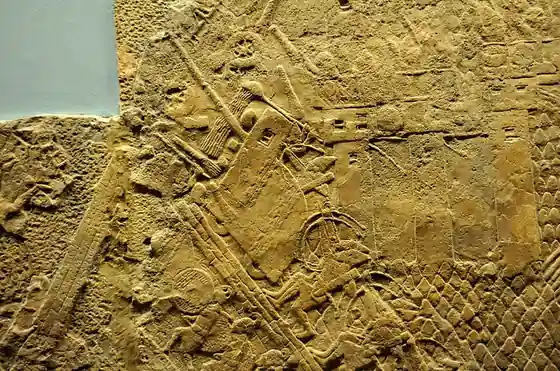
The story is told in 2 Kings 18–19 and again in Isaiah 36–37. Sennacherib, king of Assyria, had already taken the fortified cities of Judah. His commander stood outside Jerusalem and shouted in Hebrew — deliberately, so the people on the wall would understand — that no god had ever saved any nation from Assyria, and that Hezekiah’s God would not save Jerusalem either.
Then Sennacherib sent a letter saying the same thing in writing. It was a calculated piece of psychological warfare: mock God, frighten the people, and make surrender look like the only sane option.
Hezekiah’s response is one of the most vivid scenes in the Old Testament:
“Hezekiah received the letter from the hand of the messengers and read it. Then Hezekiah went up to Yahweh’s house, and spread it before Yahweh.” (2 Kings 19:14, WEB)
Stop and picture that. He did not file the letter away. He did not burn it in anger. He did not answer it with a letter of his own. He carried the actual problem — the physical letter, with its threats written out — and laid it open in front of God. There is a lesson in that image alone, and it is the first lesson of Hezekiah’s prayer: bring the real problem to God, exactly as it is. Not a cleaned-up version. Not the version that sounds spiritual. The letter itself, with all its ugly words.
Then he prayed:
“Yahweh, the God of Israel, who sits above the cherubim, you are the God, even you alone, of all the kingdoms of the earth. You have made heaven and earth. Incline your ear, Yahweh, and hear. Open your eyes, Yahweh, and see. Hear the words of Sennacherib, which he has sent to defy the living God. Truly, Yahweh, the kings of Assyria have laid waste the nations and their lands, and have cast their gods into the fire; for they were no gods, but the work of men’s hands, wood and stone. Therefore they have destroyed them. Now therefore, Yahweh our God, save us, I beg you, out of his hand, that all the kingdoms of the earth may know that you, Yahweh, are God alone.” (2 Kings 19:15-19, WEB)
Notice the shape of this prayer. It is short — five verses. But it does four things that mark every great prayer in Scripture:
First, it starts with who God is. “You are the God, even you alone, of all the kingdoms of the earth. You have made heaven and earth.” Before Hezekiah mentions the problem, he names the God who is bigger than it. Sennacherib’s letter said the gods of other nations were powerless. Hezekiah answers by remembering that the Lord is not one god among many — He made heaven and earth.
Second, it tells the truth about the problem. Hezekiah does not minimize what Assyria has done. “Truly, Yahweh, the kings of Assyria have laid waste the nations and their lands.” He agrees with the facts. The enemy really is that strong. The cities really have fallen. Faith is not pretending the danger is small; it is seeing the danger clearly and seeing God as bigger.
Third, it exposes the lie. The gods of the nations were burned because “they were no gods, but the work of men’s hands, wood and stone.” Sennacherib’s argument assumed the Lord was just another carved god. Hezekiah’s prayer draws the line: our God is the living God, not a statue.
Fourth, it asks for God’s honor, not only for rescue. “Save us, I beg you, out of his hand, that all the kingdoms of the earth may know that you, Yahweh, are God alone.” Hezekiah wants to live — of course he does. But the reason he gives is bigger than survival: let the whole world see who God is. When our prayers are only about our comfort, they stay small. When they include God’s glory, they grow.
This is Hezekiah’s prayer against Sennacherib in its essence: a king who brings the enemy’s letter to God, tells the truth about the threat, remembers who God is, and asks for deliverance so that the nations will know the Lord.
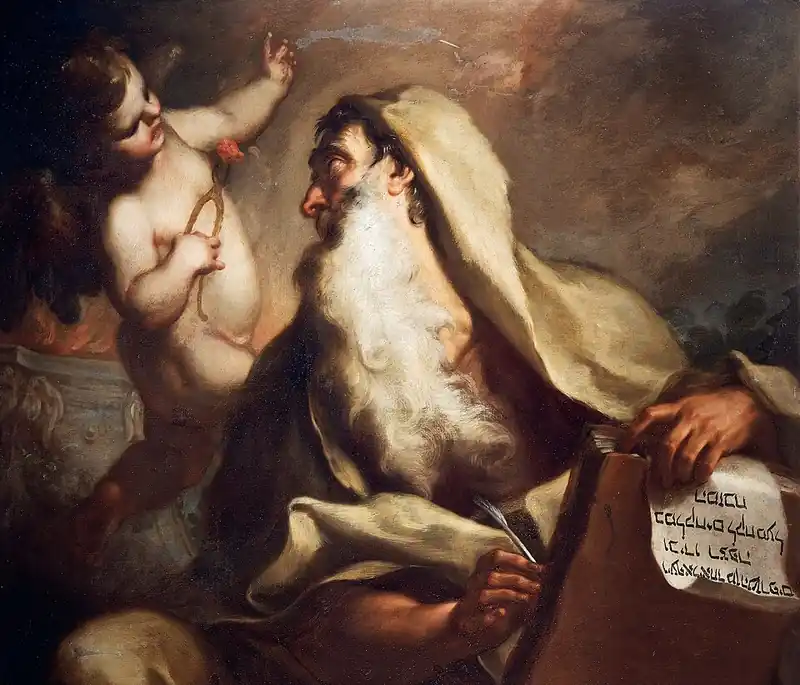
God’s Answer to the Prayer Against Sennacherib
God’s answer came through the prophet Isaiah, and it was blunt: Sennacherib would not enter the city, would not shoot an arrow into it, and would go home the way he came. Then, the Bible says, “That night, Yahweh’s angel went out and struck one hundred eighty-five thousand in the camp of the Assyrians” (2 Kings 19:35, WEB). Sennacherib woke up to an army of corpses, withdrew to Nineveh, and was later killed by his own sons while worshiping his god.
That is the deliverance Hezekiah’s prayer asked for — complete, sudden, and unmistakably God’s doing. No battle was fought. No tribute was paid. Jerusalem was spared because a king prayed instead of panicking.
There is a temptation to read this story and think it proves that bold prayer always gets a dramatic rescue. It does not prove that — the next prayer in Hezekiah’s life will show a different kind of answer, and the Bible is full of faithful people whose cities were not spared. What it does prove is that God hears, that He acts, and that bringing the problem to Him is never wasted. The letter spread before the Lord was not ignored. God answered in a way that made His power and His honor visible to the whole region — exactly what Hezekiah had asked for.
If you are facing a threat today — a diagnosis, a job loss, a relationship breaking apart, a situation where someone powerful is pressing you — the first prayer is your model. Write the problem down if it helps. Bring it, literally or in your mind, and spread it before the Lord. Tell Him the truth about how bad it is. Remember who He is. And ask Him to act in a way that shows the world who He is. For more on praying when the answer is slow to come, see our guide on prayers for waiting seasons.
“Set Your House in Order”: Hezekiah’s Prayer for Healing (Isaiah 38)
The second of Hezekiah’s prayers is the one most people mean when they talk about “Hezekiah’s prayer for healing.” It is told in Isaiah 38 and 2 Kings 20, and it begins with the worst news a person can receive.
“In those days Hezekiah was sick and near death. Isaiah the prophet, the son of Amoz, came to him, and said to him, ‘Yahweh says: Set your house in order, for you will die, and not live.'” (Isaiah 38:1, WEB)
No softening. No “maybe.” The prophet of God himself delivers the sentence: you are going to die. Put your affairs in order.
What does Hezekiah do? He does not argue with Isaiah. He does not ask for a second opinion. He turns his face to the wall — the most private direction in the room, away from everyone, toward God alone — and he prays. And his prayer is only two sentences long:
“Then Hezekiah turned his face to the wall and prayed to Yahweh, and said, ‘Remember now, Yahweh, I beg you, how I have walked before you in truth and with a perfect heart, and have done that which is good in your sight.’ And Hezekiah wept bitterly.” (Isaiah 38:2-3, WEB)
That is the whole prayer. No long list of requests. No bargaining. No theological argument. Just: Remember how I have walked with you. And tears.
It is worth sitting with this for a moment, because it overturns a common idea about prayer. Many of us think a prayer has to be long to be serious, or eloquent to be heard, or full of the right words to work. Hezekiah’s prayer for healing is none of those things. It is short, plain, and soaked in tears. And God answers it.
What was Hezekiah actually doing when he said “remember”? He was not reminding God of something God had forgotten. He was doing what the Bible calls “pleading the promises” — holding up the life he had lived in faithfulness and asking God to act in line with who God is. It is the same instinct David shows in the Psalms and the same pattern Moses used when he reminded God of the covenant with Abraham. The prayer is not a performance; it is a son talking to his Father about their shared history.
And then there are the tears. The Bible does not hide them or apologize for them. “Hezekiah wept bitterly.” In a culture that often treats tears as weakness, Scripture treats them as prayer. The Psalms are full of tears. Jesus wept. Here, the king’s tears are part of the prayer itself — and God notices them. His reply begins: “I have heard your prayer. I have seen your tears.”
If you are praying for healing today — for yourself or for someone you love — this is the part of Hezekiah’s prayer to hold onto. You do not need the perfect words. You need honesty. Turn your face to the wall. Tell God the truth. Remind Him of your walk with Him. And let the tears come. God hears the prayer, and He sees the tears. For more on bringing grief to God in prayer, see our guide on prayers for grief and loss.
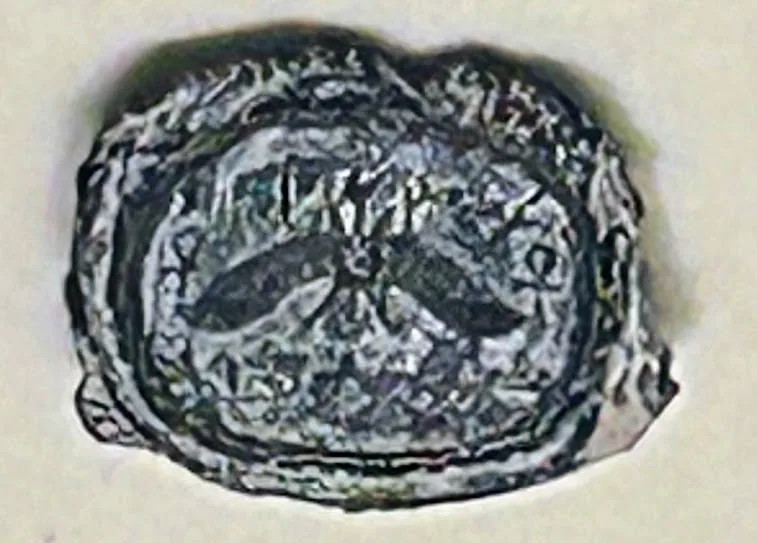
Fifteen More Years — and the Sign of the Shadow
God’s answer came before Isaiah had even left the palace courtyard. “Go, and tell Hezekiah, ‘Yahweh, the God of David your father, says: I have heard your prayer. I have seen your tears. Behold, I will add fifteen years to your life. I will deliver you and this city out of the hand of the king of Assyria, and I will defend this city.'” (Isaiah 38:5-6, WEB)
Fifteen more years. Not a vague promise — a number. And to prove it, God gave a sign. Hezekiah asked for one (2 Kings 20:8-11): the shadow on the sundial of Ahaz would go backward ten steps. The sun’s shadow, which only ever moves forward, went back. Time itself bent to confirm the promise.
This is where honest readers ask the hard question, and it is the first question in our FAQ below: why did God add 15 years to Hezekiah’s life? Why did God say yes to this prayer when He says no — or “wait,” or silence — to so many other prayers for healing?
The Bible does not give us a formula, and anyone who offers one is selling something. What the text does show is this: Hezekiah’s prayer was answered in the context of a life already turned toward God, a king who had led a nation back to worship, and a moment when God had further purposes for Judah — including deliverance from Assyria, which is promised again in the very same answer. The fifteen years were not only for Hezekiah; they were for the kingdom, and for the line of David, through which the Messiah would one day come.
There is also something sobering in the story that the Bible does not hide. In those fifteen extra years, Hezekiah made serious mistakes — most famously showing the Babylonian envoys all his treasures, an act of pride that Isaiah said would one day cost Judah everything (Isaiah 39). The extra years were a gift, and like all gifts, they could be used well or badly. The lesson is not that a long life proves God’s favor, or that a short one proves His absence. The lesson is that God hears, God answers according to His wisdom, and the time we are given — whether fifteen years or fifteen days — is meant to be lived for His glory.
That is why “lessons from Hezekiah’s prayer for healing” cannot be reduced to a technique for getting a yes. The prayer teaches us how to ask, not how to control the answer. Hezekiah asked boldly and honestly. God answered generously. And the rest of the story reminds us that the answer is a beginning, not an ending — what we do with the time God gives matters as much as the asking.
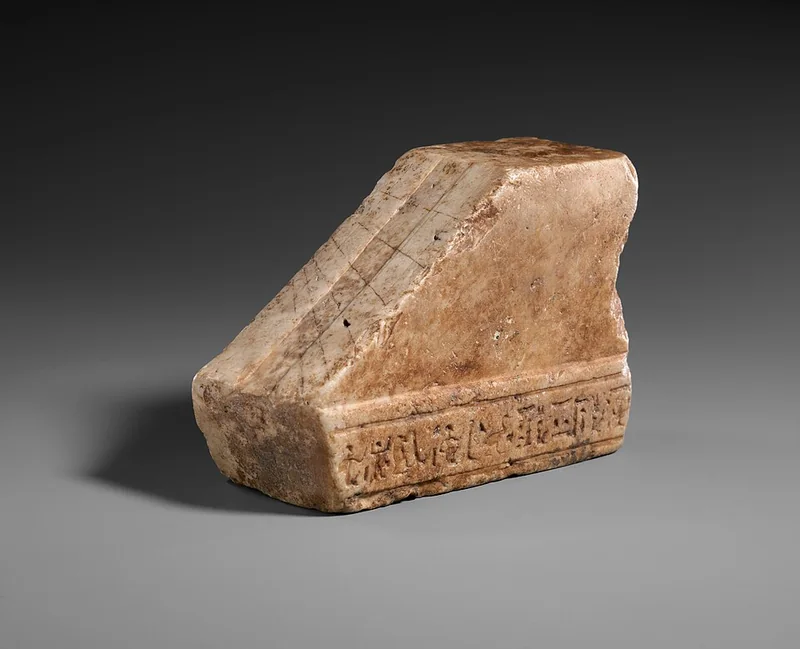
The Song After the Healing: Hezekiah’s Song of Thanksgiving
Here is something easy to miss: after God healed him, Hezekiah did not just go back to work. He wrote a song. Isaiah 38:9-20 preserves it — “the writing of Hezekiah king of Judah, when he had been sick, and had recovered from his sickness.”
The song is raw. It begins in the darkness: “I said, ‘In the middle of my life I go into the gates of Sheol. I am deprived of the residue of my years.’ I said, ‘I won’t see Yah, Yah in the land of the living.'” (Isaiah 38:10-11, WEB). Hezekiah does not pretend the fear was not real. He writes down what it felt like to believe he was dying in the middle of his life.
And then the song turns: “Behold, for peace I had great anguish, but you have in love for my soul delivered it from the pit of corruption; for you have cast all my sins behind your back.” (Isaiah 38:17, WEB). And it ends with a vow: “Yahweh will save me. Therefore we will sing my songs with stringed instruments all the days of our life in Yahweh’s house.” (Isaiah 38:20, WEB)
Hezekiah’s song of thanksgiving is the final movement of his prayer, and it teaches something we often forget: prayer does not end with the answer. It ends with praise. The king who wept against the wall now sings in the temple. The man who begged for his life now promises to spend the rest of it singing God’s praise in God’s house.
If God has answered a prayer for you — healed you, delivered you, provided for you — have you written your song? It does not have to be poetry. A journal entry counts. A testimony told to a friend counts. A prayer of thanks spoken out loud counts. What matters is that the answer is not just received but remembered, and that the remembering turns into praise. Gratitude is how an answered prayer becomes worship.
And if you are still waiting for your answer, the song still matters — because Hezekiah wrote his after the healing, but he also sang, in a sense, before it: his prayer itself was an act of trust. Read the full chapter in the World English Bible at Isaiah 38 on BibleGateway.
Lessons from Hezekiah’s Prayer for Healing (and for Crisis)
So what can we learn from Hezekiah’s prayer — both of them? Here are the lessons that hold up across the two stories, and each one is something you can practice this week.
1. Bring the actual problem to God. Hezekiah spread the letter before the Lord. He did not summarize it or spiritualize it; he laid the thing itself down. When you pray, name the real thing: the diagnosis, the debt, the letter, the conversation you are dreading. God already knows it. Saying it out loud is for your sake, not His. It turns worry into prayer.
2. Pray honestly — even with tears. The healing prayer is two sentences and a flood of tears. God is not impressed by polished language and is not offended by raw emotion. The Psalms are full of people crying out, complaining, and weeping before God. If all you can pray today is “Remember me” and tears, that is a prayer, and God hears it.
3. Remind God of His promises — to anchor yourself. “Remember how I have walked before you.” Hezekiah was not giving God new information. He was standing on the covenant: God is faithful to those who walk with Him. When you pray, remind yourself of what God has said — His promises in Scripture, His faithfulness in your past — and pray from that ground. It steadies you when feelings say otherwise.
4. Ask for God’s honor, not only your comfort. “That all the kingdoms of the earth may know that you, Yahweh, are God alone.” Hezekiah wanted deliverance, but he framed it around God’s reputation. This does not mean your comfort does not matter to God — it does. But prayers that include God’s glory tend to be wiser prayers, because they pull our eyes off the problem and onto the One who is bigger than it. When a nation faces a threat, this is also how leaders should pray — see our guide on prayers for our nation and leaders.
5. Let the answer lead to praise — and to a changed life. Hezekiah wrote a song after his healing. He also, honestly, stumbled in the years that followed. The two facts belong together: gratitude must be practiced, and extra time must be used well. When God answers, mark it. Write it down. Tell someone. And then live the next chapter like someone who knows the time is a gift.
6. When the answer is delayed, keep praying. Hezekiah did not get his answer in one prayer. The Assyrian crisis stretched over months of siege and threats. The healing came after a death sentence. Between the prayer and the answer, he kept trusting. If you are in that middle space — the prayer prayed, the answer not yet seen — you are in good company. The waiting itself is part of the story, and God meets us there. Our guide on prayers for waiting seasons goes deeper into this.
One more lesson, for those who lead others: Hezekiah prayed as a king, and his prayer affected a whole nation. If you lead a family, a church, a team, or a ministry, your prayers carry weight beyond yourself. Praying for the people you lead — honestly, regularly, and for God’s honor — is one of the most important things a leader does. See also our guide on prayers for church leaders and pastors.
And a final note on the confession in Hezekiah’s prayer: he reminded God of his faithful walk, but the Bible is equally clear that no one is saved by their record. Hezekiah’s confidence was not in his own perfection — he was a flawed man, as Isaiah 39 shows — but in God’s mercy. When we pray, we come the same way: not waving our resume, but trusting His grace. If there is something to confess, confess it plainly; God forgives freely. Our guide on prayers for reconciliation can help with that step.
How to Pray Like Hezekiah Today
You do not need to be a king to pray like Hezekiah. Here is a simple pattern drawn from his two prayers, and then a short model prayer you can pray in your own words.
The pattern — four steps:
- Bring it. Take the actual problem — the letter, the diagnosis, the fear — and lay it before God. Name it plainly.
- Be honest. Say how you really feel. Tears are allowed. Short prayers are allowed. God is not grading your grammar.
- Ask for God’s glory. Pray for what you need, and add this: “Lord, answer in a way that shows people who You are.”
- Trust the answer. Accept God’s response — yes, no, or wait — and thank Him either way, in writing if you can.
A model prayer (adapt it to your situation):
Lord God, You alone are God of all the kingdoms of the earth. You made heaven and earth, and nothing I face is bigger than You. Here is the letter I am carrying today — [name your problem plainly]. I will not hide it from You. I have walked with You, and I know You have been faithful to me before; remember me now. I ask You to act, not only for my relief but so that everyone watching will see that You are the living God. I trust Your answer, whatever it is, and I will thank You for it. In Jesus’ name, amen.
Pray that slowly. Replace the bracketed part with your real situation. And then, like Hezekiah, write down what happens — your own song of thanksgiving, even if it is only a sentence in a notebook.
Frequently Asked Questions
Why did God add 15 years to Hezekiah’s life?
God answered Hezekiah’s honest prayer for healing and, in the same answer, promised to deliver Jerusalem from Assyria. The fifteen years served God’s larger purposes for Judah and for the line of David, from which the Messiah would come. The Bible gives no formula for why some prayers for healing are answered with more years and others are not — it shows a faithful king, a merciful God, and a gift of time that Hezekiah was then responsible to use well.
How to pray like Hezekiah?
Bring the actual problem to God plainly (Hezekiah spread the letter before the Lord), be honest even with tears, remind God of His promises and your walk with Him, ask for God’s honor as well as your relief, and then trust the answer and thank Him for it. Short, honest prayer is enough — Hezekiah’s prayer for healing was two sentences long.
What can we learn from Hezekiah’s prayer?
That prayer starts with who God is, tells the truth about the problem, asks boldly, and ends in praise. Hezekiah’s two prayers teach us to bring real problems to God instead of hiding them, to pray honestly even when we weep, to ask for God’s glory and not only our comfort, and to let answered prayer turn into thanksgiving — and a changed life.
What was Hezekiah’s prayer against death?
When Isaiah told him to set his house in order because he would die, Hezekiah turned his face to the wall and prayed: “Remember now, Yahweh, I beg you, how I have walked before you in truth and with a perfect heart, and have done that which is good in your sight” — and he wept bitterly (Isaiah 38:2-3, WEB). God answered: “I have heard your prayer. I have seen your tears. Behold, I will add fifteen years to your life” (Isaiah 38:5, WEB).
What was Hezekiah’s prayer in 2 Kings 19?
Facing Sennacherib’s threatening letter, Hezekiah spread the letter before the Lord in the temple and prayed that God would hear the Assyrian king’s defiance, remember that He alone is God of all the kingdoms of the earth, and save Jerusalem “that all the kingdoms of the earth may know that you, Yahweh, are God alone” (2 Kings 19:15-19, WEB). That night the angel of the Lord struck 185,000 Assyrians, and Sennacherib withdrew.
A Final Word
Hezekiah’s prayer is not a formula, and this guide will not promise you fifteen more years. What it will promise you — because the Bible promises it — is that God hears, God sees your tears, and bringing your problem to Him is never wasted.
Whatever your letter is today — the diagnosis, the threat, the impossible situation, the prayer you have prayed a hundred times — spread it before the Lord. Tell Him the truth. Remember who He is. Ask boldly. And then, whatever the answer, write your song.

The PrayersWisdom Editorial Team writes long-form, Bible-based prayer guides for Christians going deeper in prayer.